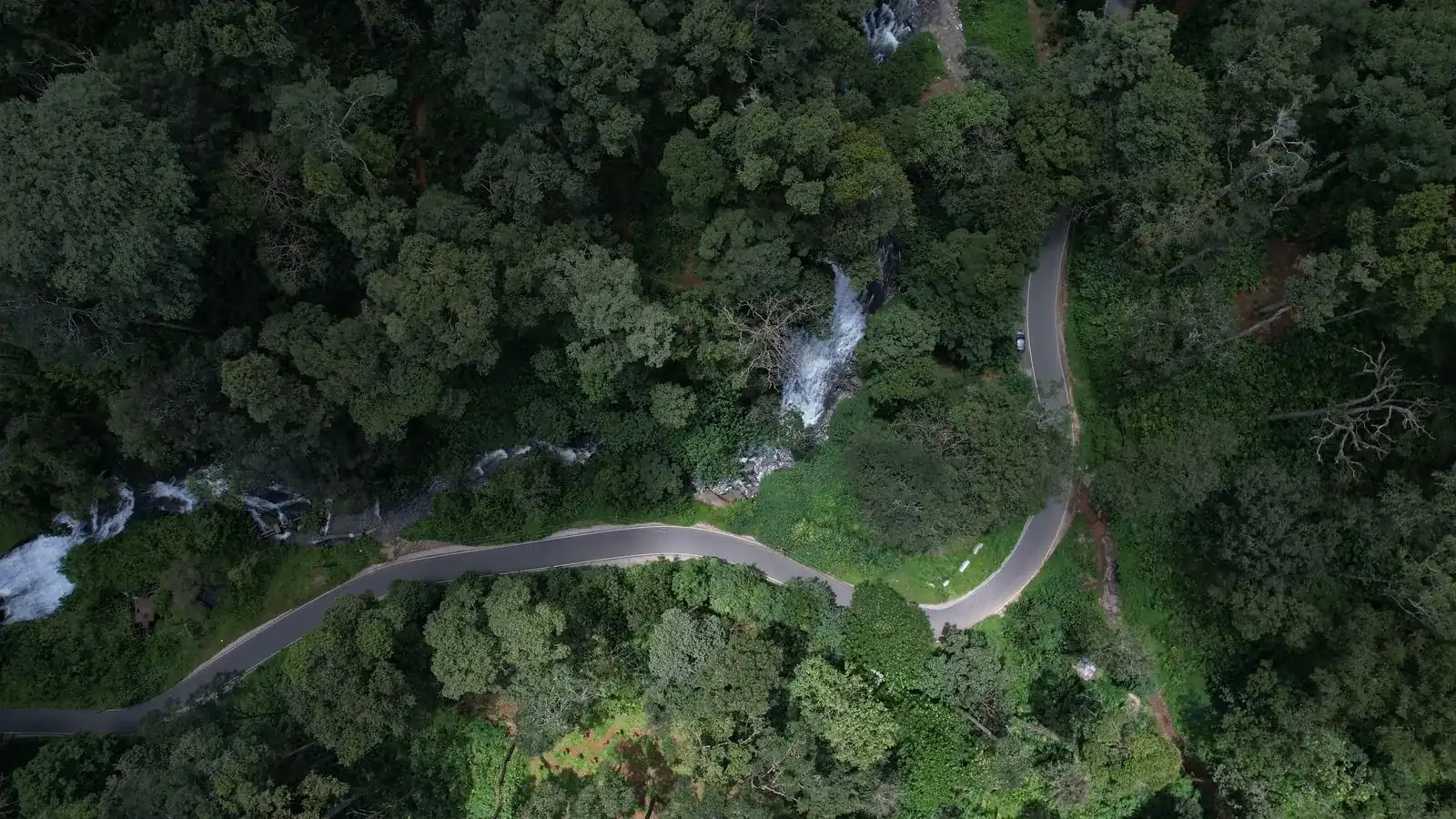
The minute
- President Lula signed decrees on Sept. 8 creating four sustainable development reserves protecting more than 668,000 hectares of Amazon rainforest along the BR-319 highway corridor.
- Buffer zones around three of the four reserves add another 109,718 hectares under partial protection, though mining may be permitted in those areas.
- Deforestation in the region fell 73% between 2022 and 2025, with an additional 43% drop by July 2026, but enforcement capacity and ICMBio’s budget remain far below what is needed.
Why it matters: The BR-319 highway cuts through one of the most intact stretches of Amazon rainforest. Paving its 339-kilometer middle section would create year-round access to areas that have historically been shielded by their own inaccessibility. The new reserves represent an attempt to reconcile infrastructure expansion with forest protection, but the gap between paper designations and effective enforcement is the central question for anyone with exposure to the region, whether through supply chains, carbon projects, or land-use compliance.
What sustainable-use reserves mean in practice, and what they do not
Under Brazil’s National System of Conservation Units (SNUC, Law 9.985/2000), sustainable-use reserves (Reservas de Desenvolvimento Sustentável) are a specific category that allows traditional communities to remain on the land and practice extractive activities such as harvesting Brazil nuts, açaí, and rubber. They differ from strictly protected areas (proteção integral), where human habitation and resource extraction are prohibited. The distinction matters: sustainable-use reserves permit economic activity, which means companies sourcing forest products from these areas can continue to operate, but under management plans approved by ICMBio (the Chico Mendes Institute for Biodiversity Conservation). Any company with supply chain links to the BR-319 corridor, particularly in timber, non-timber forest products, or cattle, will need to verify whether its sourcing footprint overlaps with the new boundaries or buffer zones.
The buffer zones deserve separate attention. The decrees place 109,718 hectares under partial restrictions, but mining may still be permitted there. For mining companies holding or seeking exploration rights in the region, the legal status of these buffer zones will determine whether projects move forward or stall. The rules governing buffer zones under SNUC (defined in its Article 25 and regulated by CONAMA Resolution 428/2010) require environmental licensing for activities within a 3-kilometer radius of a conservation unit, adding another layer of regulatory review.
What remains undecided
The source reports the creation of the reserves but does not address the status of the environmental impact assessment (EIA/RIMA) for the BR-319 paving itself. IBAMA, Brazil’s federal environmental agency, is responsible for licensing the highway project. The environmental license has been a point of contention for years, with previous attempts facing legal challenges and technical objections. The reserves may be a political precondition for advancing the license, a signal that the government intends to proceed with paving while showing it has taken compensatory measures. Whether IBAMA will issue the installation license (Licença de Instalação) for the middle section remains the key decision that has not been made.
Enforcement is the other open question. Suely Araújo of the Climate Observatory noted that ICMBio’s budget has not increased despite the new responsibilities. Creating reserves without funding them is a pattern in Brazilian conservation history. The four new units will require management councils, management plans, staffing, and infrastructure. None of that is guaranteed by a decree. The region is also marked by threats to public servants, with environmental agencies having been set on fire, according to the source.
Who gains and who loses
Traditional communities living within the new reserves gain legal recognition and the right to remain on their land, which provides a degree of protection against land grabbers and illegal loggers. Companies in the sustainable forestry and non-timber forest product sectors may benefit from clearer land tenure, which can facilitate certification and market access.
On the other side, cattle ranchers and land speculators who have driven the “fishbone” deforestation pattern along the BR-319 corridor face new restrictions. The 144% jump in deforestation between 2019 and 2022, fueled by speculation around the highway paving, shows the scale of economic interest in converting forest to pasture. Logistics and transport companies that depend on the highway may eventually benefit from paving, but the timeline remains uncertain while the environmental licensing process is unresolved.
There is no newsletter yet. Leave your email and you will hear first on the day there is one.