The minute
- Google will purchase 1 million tons CO2e of methane elimination by 2030 and 1 million tons of carbon removal by 2040 from Terradot, its largest CO2 removal deal to date.
- The project will deploy Alternate Wetting and Drying (AWD) irrigation and enhanced rock weathering (ERW) across more than 200,000 hectares of rice farms in Brazil.
- Rice cultivation accounts for approximately 12% of global methane emissions, making it the second-largest source of agricultural methane after livestock.
Why it matters: This deal is the first known agreement combining near-term methane elimination with long-term carbon removal at scale, and it lands squarely on Brazilian soil. The project turns rice paddies, traditionally a significant source of methane, into a dual climate asset. For the voluntary carbon market, the structure could set a pricing and methodological precedent for bundled removal credits that pair short-lived climate pollutant reductions with durable CO2 sequestration.
What changes for Brazilian rice farmers
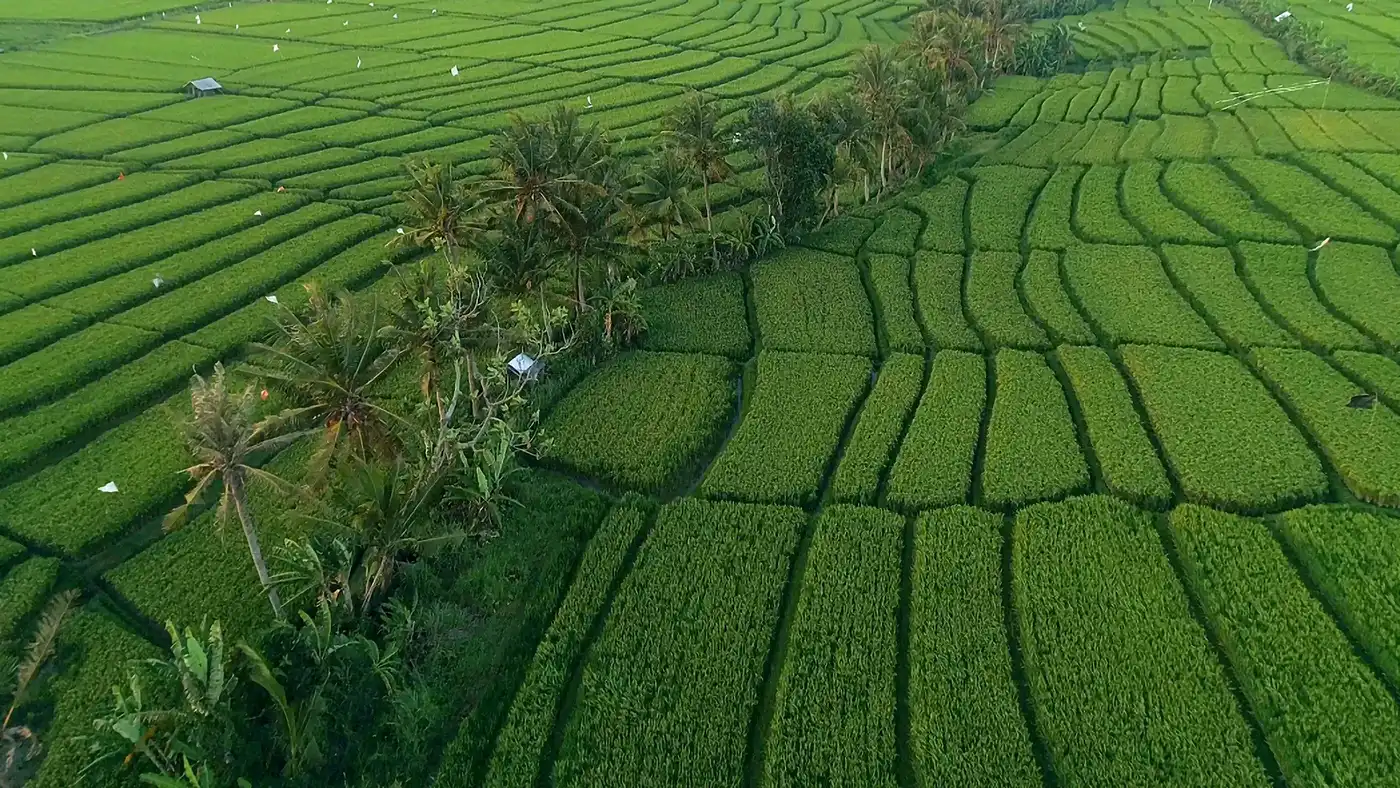
The 200,000-plus hectares covered by the deal represent a substantial slice of Brazilian rice cultivation, which is heavily concentrated in the southern state of Rio Grande do Sul. Farmers participating in the project would adopt AWD, an irrigation technique that periodically drains flooded paddies instead of keeping them continuously submerged. The source notes that benefits for farmers include reduced water use and costs from AWD, plus improved soil health from the crushed volcanic rock spread on fields as part of the ERW process.
In practical terms, this means a new revenue stream layered on top of rice production. Farmers effectively become suppliers in a carbon removal supply chain financed by a Big Tech buyer. The deal also introduces industrial-scale ERW logistics (crushing, transporting, and spreading basalt) into rural areas, which could generate local employment but also raises questions about infrastructure readiness and the cost of scaling rock supply chains in remote agricultural regions.
How this fits Brazil’s emerging carbon market
Brazil enacted Lei 15.042 in December 2024, creating the Sistema Brasileiro de Comércio de Emissões (SBCE), the country’s regulated carbon market. The system is still being regulated, with rules on eligible sectors, offset methodologies, and credit registries yet to be fully defined. The Google-Terradot deal operates in the voluntary market, not under SBCE, but the methodologies it validates (AWD for methane and ERW for carbon removal) could eventually feed into the regulated framework once the government defines which agricultural offset protocols qualify.
Brazil also runs the Plano ABC+ (Low Carbon Agriculture Plan), which encourages climate-smart practices in farming but does not directly generate tradable carbon credits. AWD is consistent with Plano ABC+ goals, yet the plan has historically focused more on cattle ranching, degraded pasture recovery, and no-till farming than on rice methane. A large-scale demonstration that AWD works economically in Brazilian paddies could push policymakers to include rice-specific methane reduction targets in future iterations of the plan.
What remains undecided
Several open questions will determine whether this deal becomes the “template” Google says it wants. First, the monitoring, reporting, and verification (MRV) framework for bundled methane-plus-carbon credits is not yet standardized. The source does not specify which certification body or methodology will validate the tons purchased. Without a recognized standard, replicability across other buyers and geographies remains uncertain.
Second, the permanence accounting for ERW-based carbon removal is still debated in the scientific community. Enhanced rock weathering locks carbon into mineral carbonates, which is considered durable, but field-level measurement of how much CO2 each hectare actually sequesters varies with soil type, rainfall, and rock mineralogy. Scaling to 1 million tons of verified removal by 2040 will require robust measurement protocols that do not yet exist at this scale.
Third, farmer adoption risk is real. AWD requires changes to irrigation infrastructure and water management practices. If economic incentives (water savings plus payments from Terradot) do not clearly outweigh adoption costs and perceived yield risks, participation could fall short of the 200,000-hectare target. The deal does not disclose payment terms to individual farmers.
Finally, from a competitive standpoint, the deal signals that Big Tech buyers are willing to pay for agricultural methane credits bundled with durable removal. This could attract more ERW startups and AWD project developers to Brazil, increasing competition for farmland partnerships but also pushing credit prices and methodological rigor upward. Traditional voluntary carbon credit developers focused on forestry (REDD+) may face a shift in buyer preference toward removal-based credits with co-benefits.
There is no newsletter yet. Leave your email and you will hear first on the day there is one.