The minute
- Mombak concluded the first close of The Amazon Reforestation Fund II, its second reforestation vehicle, targeting approximately R$ 800 million (US$ 150 million) in equity.
- The company secured a R$ 200 million credit line from BNDES through Fundo Clima at 2.3% annual interest, bringing the combined target to roughly R$ 1 billion.
- Mombak was also one of seven companies selected in BNDES’s climate mitigation public call, which could unlock up to R$ 500 million from BNDESPar, subject to a 25% cap on committed capital.
Why it matters: The fund structure reveals how Brazil’s public development bank is layering multiple instruments (subsidized credit, direct equity participation, and competitive climate calls) to channel capital into nature-based solutions. For the voluntary carbon market, which has faced credibility crises globally, a vehicle backed by BNDES lending and potentially by BNDESPar equity signals institutional validation that few reforestation startups anywhere have secured.
What remains undecided, and what it takes to get there
The headline number of R$ 1 billion assumes Mombak hits its full equity target of R$ 800 million. The company did not disclose how much it actually raised in the first close, nor who the investors are. That gap matters: first closes in climate funds often represent a fraction of the target, and the final number depends on whether subsequent rounds attract institutional allocators willing to commit to a reforestation thesis in the Amazon with a carbon credit revenue model.
The BNDESPar variable adds another layer of uncertainty. Mombak is eligible for a direct equity investment of up to R$ 500 million from BNDESPar, the bank’s equity arm, but the participation is still under evaluation. If confirmed, it would enter as part of Fund II’s equity raise, potentially pushing the target above R$ 1 billion. However, the 25% ownership cap means the fund would need R$ 2 billion in total committed capital to unlock the full R$ 500 million from BNDESPar. Reaching that threshold would require Mombak to more than double its current equity target, a scenario that depends on investor appetite that has not yet materialized publicly.
Who stands to gain and who faces pressure
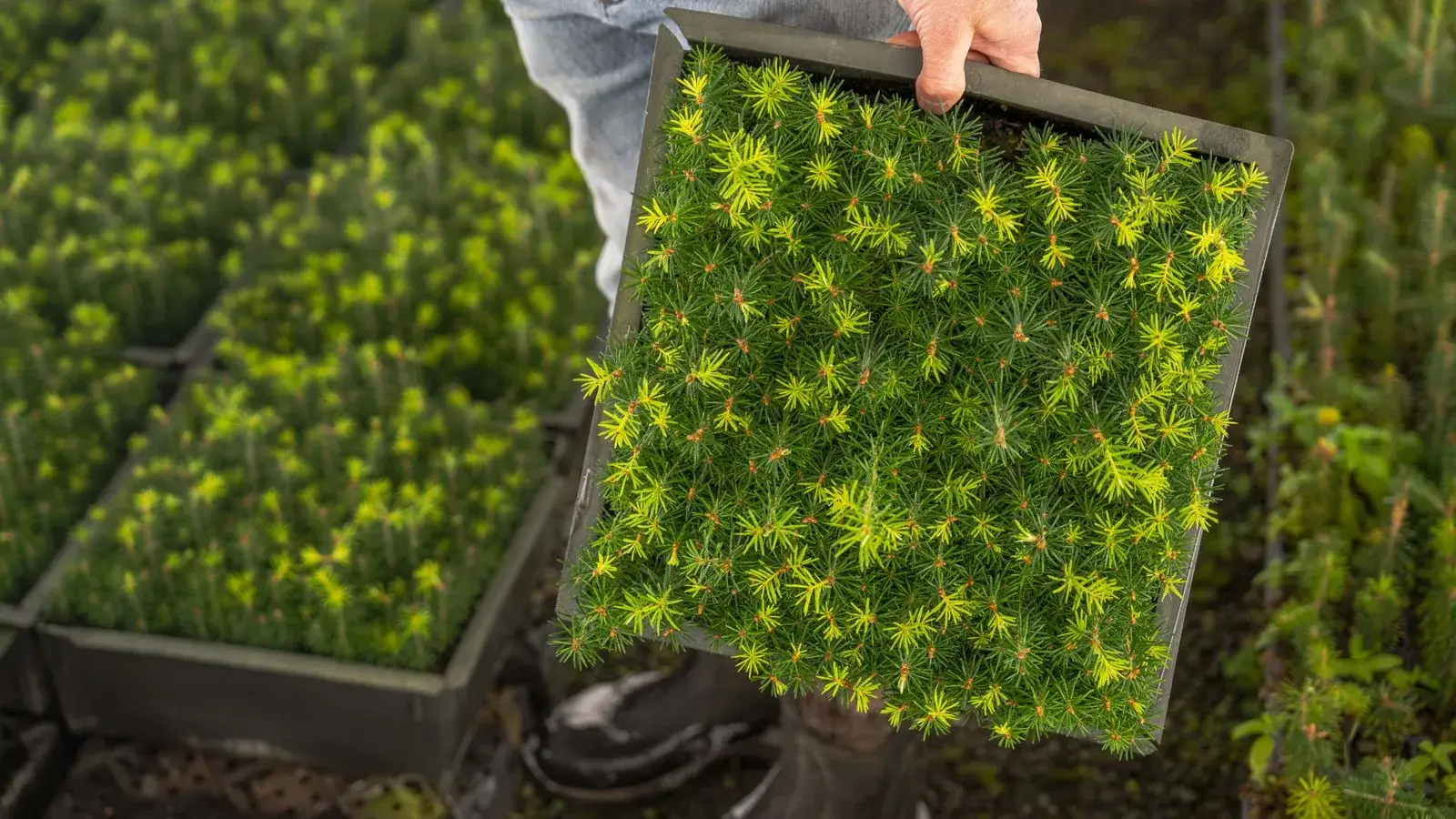
Mombak’s model is straightforward: restore degraded land in Para with native species and sell the carbon credits generated. If the fund deploys at scale, the immediate beneficiaries are landowners in the region who lease or sell degraded areas, and the local labor force hired for planting and maintenance. The BNDES credit line at 2.3% annual interest, well below market rates, effectively subsidizes the cost of capital for reforestation, giving Mombak a financing advantage that competitors relying solely on private capital do not have.
On the other side, the arrangement raises questions for other players in Brazil’s emerging carbon market. Companies pursuing similar nature-based credit projects in the Amazon, without access to subsidized BNDES financing, may find it harder to compete on price. The BNDES climate mitigation call selected only seven companies out of an undisclosed number of applicants, concentrating public resources in a small group. Whether this creates a healthy pipeline or an uneven playing field depends on how the bank structures future calls and whether the criteria remain accessible to smaller operators.
The Fundo Clima mechanism and its expanding role
The R$ 200 million credit line comes through Fundo Clima, a BNDES program that has existed since 2009 but gained renewed relevance as Brazil positions itself as a climate finance hub ahead of COP30 in Belem in 2025. The broader BNDES climate call, with up to R$ 4.3 billion in potential BNDESPar investments, represents one of the largest public commitments to climate-related equity in Latin America. The fact that reforestation with native species qualifies alongside energy transition and industrial decarbonization projects signals that the bank treats nature-based solutions as a legitimate asset class, not a secondary category.
For Brazilian companies evaluating their own net-zero strategies, the Mombak fund illustrates both an opportunity and a dependency. Buying credits from restored Amazon forests may become more accessible as supply scales, but the pricing and availability of those credits will depend on whether Fund II actually deploys, generates verified removals, and finds buyers in a voluntary market that remains fragmented and price-sensitive.
There is no newsletter yet. Leave your email and you will hear first on the day there is one.